


Day 1,823 - Khan's Story
The Two Calls
Two phone calls tell Khan's story, and they came from opposite directions.
The first reached him in Mazar-i-Sharif in the days after Kabul fell, when he dared to switch his phone back on. It was his American captain, the officer he had served beside in Kandahar, calling from the far side of the world with two questions:
What's happening? Are you safe?
Khan was, barely, and only because he kept moving. That captain has stayed in touch ever since, and has written a letter of recommendation for Khan's visa case. So has a command sergeant major he worked with at Bagram. The Americans who knew his service have never let go of him.
The other call went to his village elder from the Taliban. Taliban intelligence officers had a clear message they repeated: We want Khan. They used his name.
They knew it because of what he had done. Beginning in 2009, Khan interpreted for a U.S. Army Stryker Brigade in Taliban-held districts of Kandahar. On operations he ran an ICOM scanner, sweeping the radio frequencies the Taliban used and translating their voices for the American soldiers beside him while the mission was still moving, across hundreds of missions.
"What I heard on that radio saved American lives," he says, and the letters in his case file agree.
The war did not spare the man Khan worked alongside. A roadside bomb struck the vehicle he rode in, wounding him and two American soldiers, and a helicopter carried them out. Later he worked as an interpreter and operations manager at Bagram, where his duties took him into a detention facility holding captured Taliban. The prisoners learned his face. His home village lay near the base, so many of them knew exactly whose face it was, and prisoners are not held forever.
That is why, when the government fell and the Taliban searched his home, hiding inside Afghanistan was never going to hold. Three years of moving between cities followed, sleeping in gardens when he had to, while the calls kept coming to his village elders.
Leaving took the last thing of value the family had. Refused a Pakistani visa outright, he paid a fixer thirteen hundred dollars for a twenty-dollar visa, by selling the gold he had bought his wife in happier times. At the Torkham crossing, Taliban border guards scanned his passport and asked where he was going. His daughter was sick that day. He told them he was taking his child to a hospital in Pakistan, and they let the family through. A man who spent years listening to the enemy knew precisely how much to say to them.
Pakistan has not been the end of danger. Recently its police detained him, jailed him,
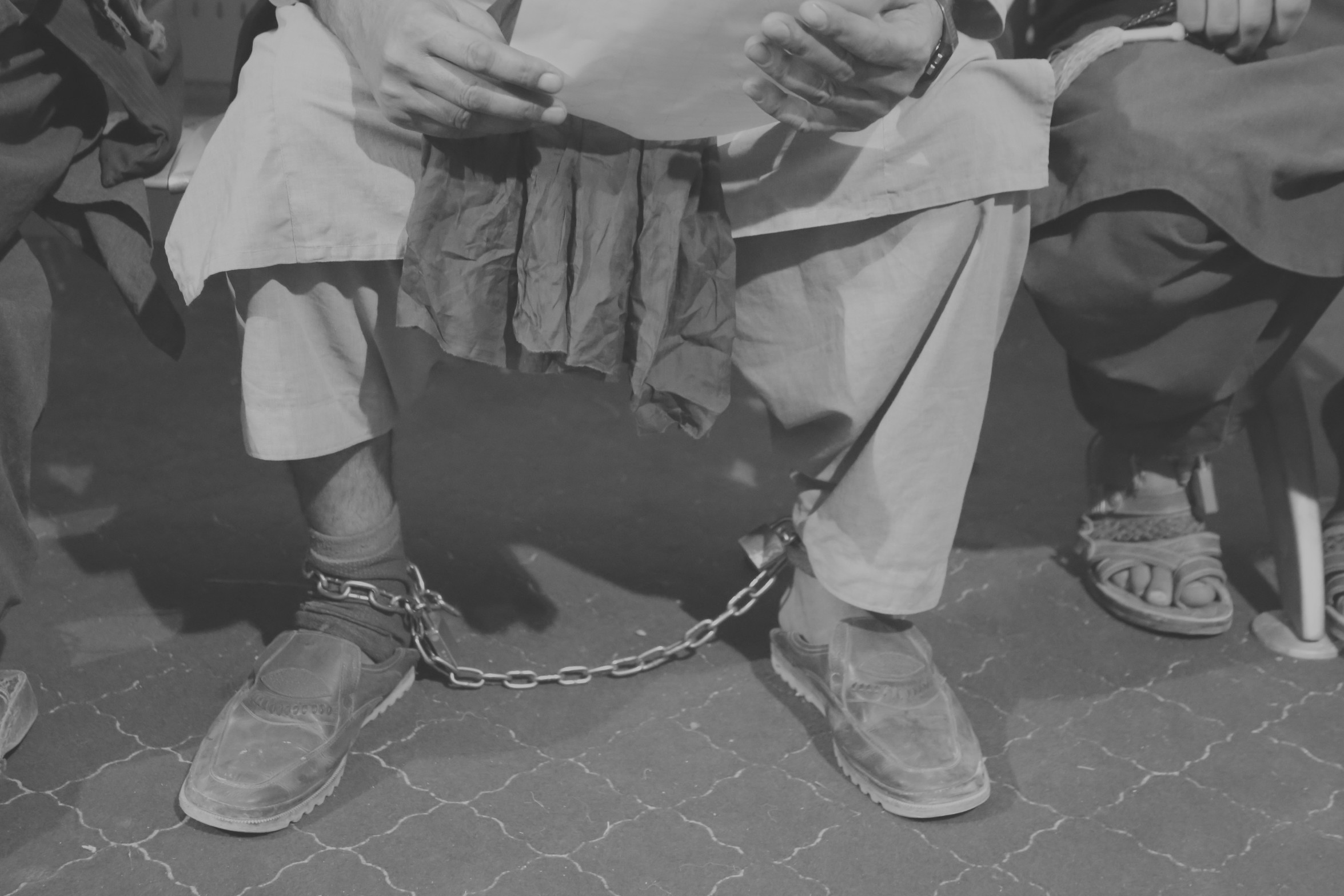
and harassed him before release, and deportations are returning Afghans through Torkham every week, toward the men still asking for him by name. His embassy interview in Islamabad is complete. His service is documented, vouched for in writing by the two Americans who watched him do it. With visa issuance for Afghans suspended, all of it waits.
"We have shown our support," Khan says. "It's time for the American people to support us, to raise our voice to the Congress, to the Senate."
One side of this story has never stopped calling for him. For years, his job was making sure American soldiers heard what was coming in time to act.
The warning is his own now, and the time to act on it is before the other callers find him first.
Support allies and families like Khan's as they wait for the promise to be fulfilled: https://give.nooneleft.org/campaign/831559/donate


