

2026 voter survey | Afghan Special Immigrant Visa program
Voters back reopening the Afghan Special Immigrant Visa program
Overall, 68% to 20%. Republicans agree 59% to 28%. Veterans agree 70% to 19%.
A national survey by the bipartisan team of Hart Research and North Star Opinion Research, commissioned by No One Left Behind. Released Nov. 19, 2026.
First reported by [Outlet].
77% of voters say the United States should give Afghans who worked with the U.S. military and government a safe and legal pathway to live here, including 71% of Republicans.
That support exists even though only 20% of voters want the United States to admit more legal immigrants.
The Afghan Special Immigrant Visa (SIV) program keeps the promise to our Afghan allies by allowing those who worked for or on behalf of the U.S. government, many as interpreters, to apply to live in the United States after the U.S. Embassy confirms their service and they pass security vetting. Presidential Proclamation 10998 suspended visa issuance to Afghan nationals on Jan. 1, 2026, and removed the exemption that had covered Afghan SIV applicants.
Hart Research and North Star Opinion Research conducted an online survey of 1,011 registered voters and a separate online survey of 489 registered voters who are veterans, Sept. 16–23, 2026. No One Left Behind commissioned the survey.
State Department figures
Where the program stands
18,319
Afghan SIVs issued in fiscal year 2025, including family members
State Department report to Congress, May 2026
3
issued January through March 2026: one principal applicant, two family members
23,431
principal applicants with Chief of Mission approval confirming their service, in processing as of Jan. 31, 2026
State Department report to Congress, May 2026
5,978
visas left for principal applicants under the cap Congress set, as of March 31, 2026
Quarterly Congressional Afghan SIV Report, Q2 FY2026 (preliminary)
As of Nov. 18, 2026, the suspension remains in effect.
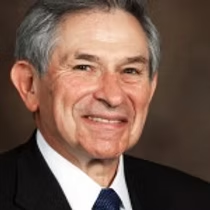
How the Afghan Special Immigrant Visa program works“I’ve stayed active in this work because our obligations from a war do not end when our troops come home. The Afghans who served beside our forces are part of finishing the mission, and our elected officials can meet it by reopening SIV issuance for those who clear vetting.”
Paul Wolfowitz
Former deputy secretary of defense and U.S. ambassador to Indonesia. Senior adviser, No One Left Behind.
Should the U.S. reopen the program?
Democrats, independents and Republicans all say reopen it.
Respondents were told that in January 2026 the federal government stopped issuing visas to citizens of Afghanistan, including SIV applicants, and were asked whether the U.S. should reopen the program to issue visas to Afghans who have passed screening and security vetting.
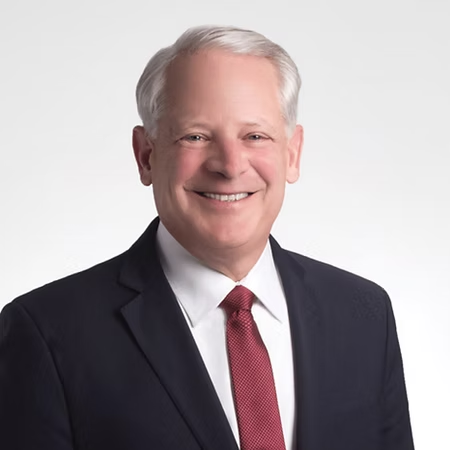
“I ran the Democratic Congressional Campaign Committee for four years and read more polls than anyone should. I have rarely seen Democrats, Republicans and independents line up like this on anything that touches immigration.”
Steve Israel
Former Democratic congressman from New York. Senior adviser, No One Left Behind.

Strengthening national security
Seven in ten Republicans, including self-identified MAGA Republicans, back a pathway for Afghans who worked with U.S. forces.
Respondents were told that during the war, Afghan citizens served as interpreters for U.S. units on the front lines and as drivers and in other support roles for U.S. forces, the U.S. government and its contractors. They were then asked whether the U.S. should give those Afghans a safe and legal pathway to move to and live in the United States.
For members of Congress
A vote to reopen gains favor at home, 59% to 14%.
Asked how they would feel if their member of Congress voted to reopen the program for Afghans who pass screening and security vetting, 59% of voters said more favorable and 14% said less favorable. Among veterans, 62% and 13%. The net gain holds in every party.
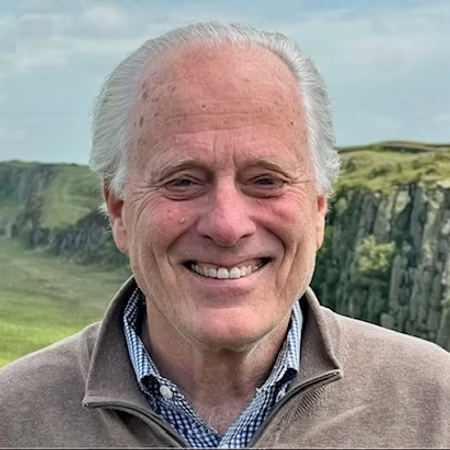
“Elected officials rarely get a vote this clear-cut, where principle, strategy, and their voters’ views all point the same way. Voters support this work three to one, and these standout results should empower members of Congress looking for the support they need to act.”
Scott Klug
Former Republican congressman from Wisconsin. Senior adviser, No One Left Behind.
Both arguments, side by side
Voters heard the case for keeping it paused. They chose to reopen, 61% to 33%.
Respondents read two statements and picked the one they agreed with more.
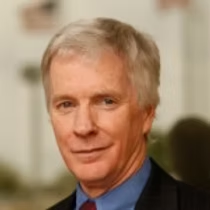
“In Kabul, our troops and diplomats relied on Afghans who risked their lives to work with us. Every partner we will need in the next conflict is watching how we treat them.”
Ryan Crocker
Former U.S. ambassador to Afghanistan and Iraq. Senior adviser, No One Left Behind.
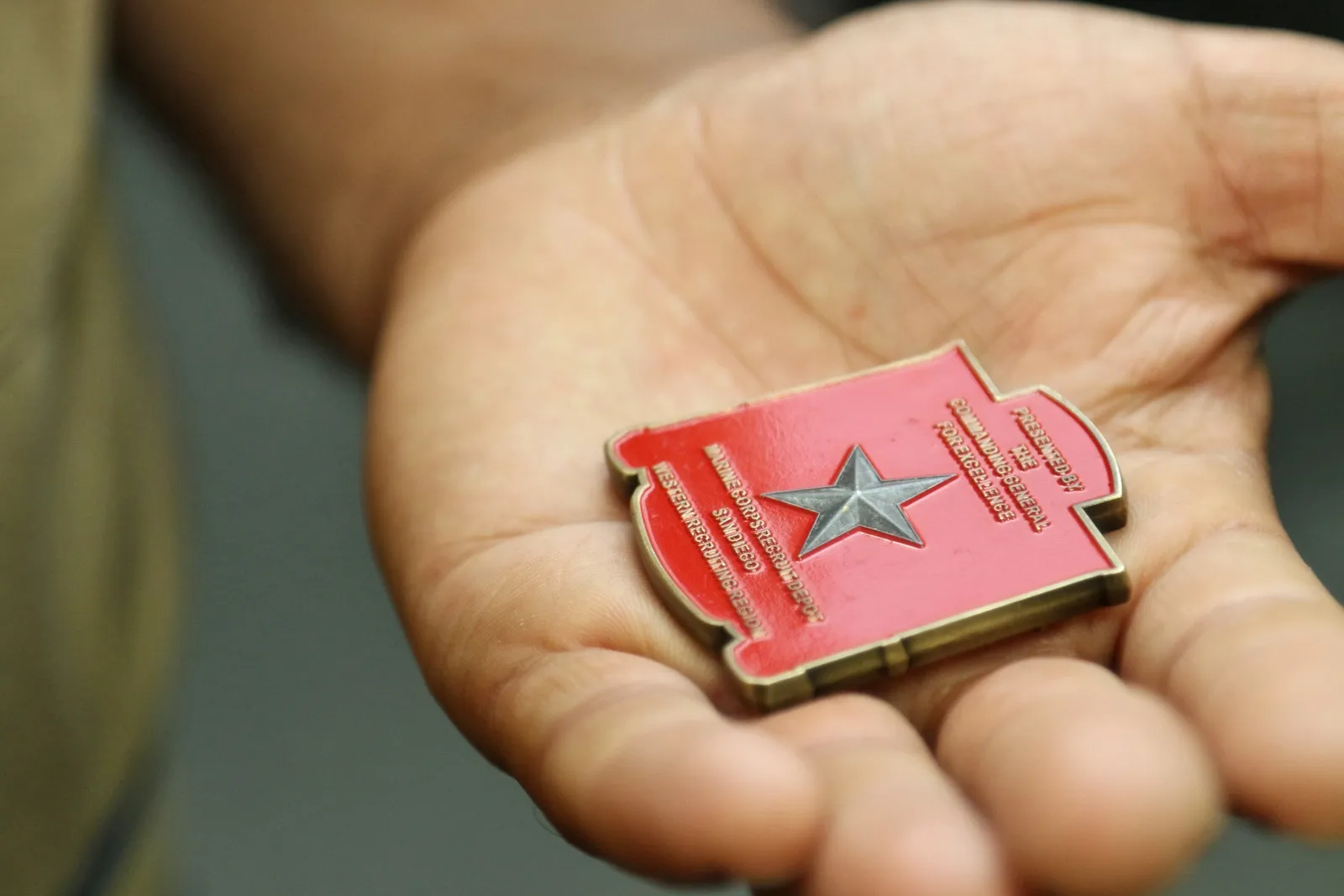
From No One Left Behind
“The Afghans who worked with my unit took the same risks we did, and they stayed behind when we rotated home. Our government promised them a safe, legal way here. Republicans, Democrats, and veterans all want the SIV program reopened, and Congress and the Administration have the public support to act before the year ends.”
Andy Sullivan
Executive director, No One Left Behind. Served as an Army infantry officer in Afghanistan and Iraq.
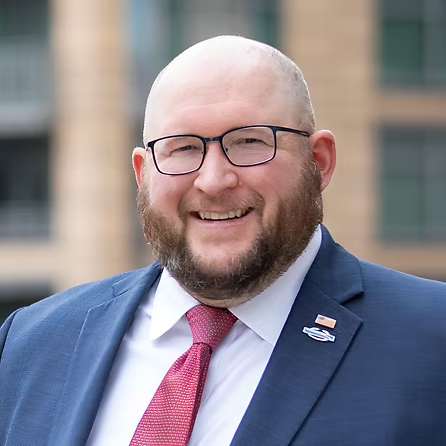
“Congress, with true bipartisan agreement, authorized these visas, yet thousands of Afghans who worked for our military and government are still left behind. Reopening the program means standing behind both our wartime allies and a law that Congress already passed.”
Scott Klug
Former Republican congressman from Wisconsin. Senior adviser, No One Left Behind.
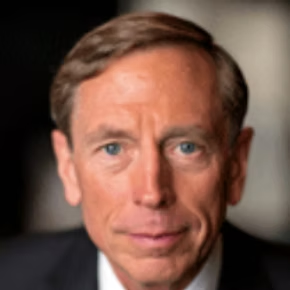
Statement
General David Petraeus, U.S. Army (Ret.)
Former Commander of the Surge in Iraq, U.S. Central Command, and the International Security Assistance Force in Afghanistan
“In Iraq and Afghanistan, our battlefield interpreters and other local partners served alongside our men and women in uniform, shared the same dangers, and often saved American lives. Their extraordinary courage and loyalty placed them and their families at grave risk. We made a solemn commitment to these brave individuals, and we have a moral obligation to honor it.
“Indeed, we established the Special Immigrant Visa program for eligible wartime allies and their families in recognition of their service to our common cause. Yet tens of thousands of them remain behind, many still facing grave danger because they stood with us.
“The new bipartisan polling commissioned by No One Left Behind shows that the American people agree with the need to fulfill our obligation: 77 percent support providing our Afghan allies a path to America, including 71 percent of Republicans, and 68 percent support reopening the Afghan Special Immigrant Visa program.
“Fulfilling our commitment is not only the right thing to do. It is essential to America’s credibility with those whose courage and loyalty we will need in future conflicts. Our Iraqi and Afghan allies stood with us when it mattered most. We must stand with them now.”

Methodology
Hart Research, a Democratic-leaning firm, and North Star Opinion Research, a Republican-leaning firm, conducted parallel online surveys Sept. 16–23, 2026, of 1,011 registered voters and 489 registered voters who are U.S. military veterans. No One Left Behind commissioned the survey. The credibility interval is plus or minus 3.1 percentage points for the voter sample and plus or minus 4.4 for the veteran sample; it is higher for subgroups.
The survey asked about the Afghan Special Immigrant Visa program, a safe and legal pathway for Afghans who worked with the U.S. military and government, and immigration in general. It did not ask about Temporary Protected Status (TPS).
Before the reopen question, respondents were told: “In January 2026, the federal government stopped issuing visas to citizens of Afghanistan, including those who have applied to come to the U.S. through the Special Immigrant Visa (SIV) program. This effectively means that the Afghan SIV program is indefinitely paused and Afghans who helped the U.S. military and government are prevented from receiving visas and entering the U.S.”
Questions
About the survey and the program
In the news
For media
For interviews, email media@nooneleft.org. Available: Andy Sullivan, executive director, No One Left Behind; Sonia Norton, director of advocacy; Ambassadors Ryan Crocker and Paul Wolfowitz; former Reps. Steve Israel and Scott Klug; Abigail Davenport, Hart Research; and Whit Ayres, North Star Opinion Research.
Photographs: U.S. Marine Corps, via DVIDS; Carol M. Highsmith Archive, Library of Congress, Prints and Photographs Division. The appearance of U.S. Department of War (DoW) visual information does not imply or constitute DoW endorsement.